
Track: Nutrition and Diet for Healthy Skin
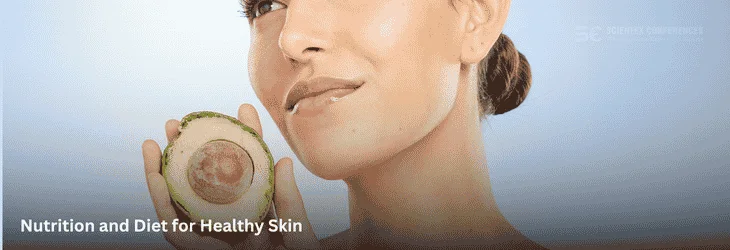
Role of Micronutrients in Skin Health – Essential vitamins and minerals are critical for skin repair, collagen synthesis, immune regulation, antioxidant defense, and barrier maintenance. Research continues to demonstrate the importance of nutrients such as vitamins A, C, D, and E, along with zinc, selenium, and other trace elements, in supporting healthy skin function and preventing dermatologic disorders.
Antioxidants and Skin Aging Prevention – Oxidative stress is a major contributor to premature skin aging and environmental skin damage. Antioxidants, including polyphenols, flavonoids, carotenoids, and other bioactive compounds, play a significant role in neutralizing free radicals, protecting cellular structures, and supporting skin rejuvenation and long-term skin health.
Hydration and Skin Barrier Function – Adequate hydration is essential for maintaining epidermal integrity, skin elasticity, and effective barrier performance. Key areas of interest include water balance, transepidermal water loss, lipid barrier function, and the relationship between hydration status, skin resilience, and overall appearance.
Gut–Skin Axis and Dermatologic Health – Increasing evidence supports a close relationship between gastrointestinal health and skin function through the gut–skin axis. Interactions involving the microbiome, immune regulation, and systemic inflammation are being linked to conditions such as acne, eczema, rosacea, and other inflammatory skin disorders.
Dietary Patterns for Skin Wellness – Dietary habits have a significant influence on skin health and disease prevention. Research examining Mediterranean, plant-based, low-glycemic, and other nutritional approaches continues to provide insights into their effects on inflammation, skin aging, tissue repair, and overall dermatologic wellness.
Nutritional Support for Skin Disorders – Nutritional interventions are increasingly recognized as valuable adjuncts in the management of acne, psoriasis, atopic dermatitis, pigmentary disorders, and other dermatologic conditions. Evidence-based dietary strategies may contribute to improved disease control, symptom reduction, and enhanced treatment outcomes.
Functional Foods and Evidence-Based Nutritional Interventions in Dermatology – Functional foods, nutraceuticals, and bioactive dietary compounds are gaining attention for their potential role in supporting skin health and preventing dermatologic disease. Ongoing research is evaluating their clinical effectiveness, therapeutic applications, and future potential within nutrition-focused dermatology and cosmetic science.
Scientific Highlights
- Plastic Surgery
- Dermatology
- Skin Rejuvenation, Regeneration and Cosmetic Dermatology
- Cosmetic & Skin Science
- Anti Aging and Longevity Medicine
- Body Contouring and Craniofacial Reconstruction
- Rhinoplasty & Otoplasty
- Oral & Maxillofacial Surgery
- Reconstructive and Aesthetic Surgery
- Cosmetic Dentistry
- Aesthetic Medicine and Regenerative Medicine
- Injectables, Fillers and Facial Rejuvenation
- Skin Microbiome and Cosmetic Research
- Trichology and Hair Transplant
- Cosmetic Medicine
- Nutrition and Diet for Healthy Skin
- Case Reports, Complications & Risk Factors in Cosmetology
- Pediatric Dermatology

Organization Location
1309 Coffeen Avenue, STE 1200, Sheridan, Wyoming 82801, USA
Mail us at
General Enquiry
contact@scientexconferences.com
Call us at
USA : (+1) 217 583 7058