
Track: Cosmetic Dentistry
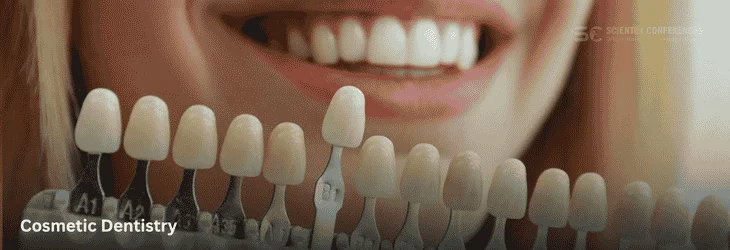
Smile Design and Digital Dentistry – Digital technologies are transforming smile design through enhanced diagnostic capabilities, treatment visualization, and precision-driven workflows. Key areas include digital imaging, virtual smile simulations, computer-aided design and manufacturing (CAD/CAM), and personalized treatment planning approaches that improve predictability, efficiency, and aesthetic outcomes.
Dental Veneers and Esthetic Restorations – Contemporary esthetic restorative dentistry emphasizes the use of porcelain veneers, ceramic restorations, and aesthetic crowns to enhance smile appearance while preserving tooth structure. Advances in materials, treatment planning, and minimally invasive techniques continue to support durable, natural-looking restorative outcomes.
Teeth Whitening and Color Enhancement – Tooth whitening remains one of the most widely performed cosmetic dental procedures for improving smile aesthetics. Current approaches include in-office and at-home whitening systems, management of intrinsic and extrinsic discoloration, treatment safety considerations, and strategies for achieving consistent and long-lasting results.
Cosmetic Bonding and Tooth Reshaping – Composite bonding and tooth contouring provide conservative solutions for correcting aesthetic imperfections, including discoloration, spacing, minor fractures, and irregular tooth morphology. Modern techniques focus on preserving healthy enamel while achieving functional and aesthetically pleasing enhancements.
Implant-Supported Esthetic Rehabilitation – Dental implants have become a cornerstone of comprehensive smile rehabilitation, offering predictable solutions for replacing missing teeth. Areas of focus include implant planning, soft tissue management, prosthetic design, bone preservation, and innovations that enhance both functional restoration and aesthetic integration.
Orthodontics for Smile Improvement – Advances in orthodontic treatment are expanding opportunities for improving dental alignment, occlusal function, and facial aesthetics. Contemporary approaches include clear aligner therapy, digital treatment planning, and interdisciplinary care strategies that support optimal esthetic and functional outcomes.
Minimally Invasive Cosmetic Procedures and Emerging Technologies – Innovations in dental materials, adhesive systems, biomaterials, and digital workflows are driving the evolution of minimally invasive cosmetic dentistry. Emerging technologies continue to improve treatment efficiency, patient comfort, restorative longevity, and the overall quality of aesthetic dental care.
Scientific Highlights
- Plastic Surgery
- Dermatology
- Skin Rejuvenation, Regeneration and Cosmetic Dermatology
- Cosmetic & Skin Science
- Anti Aging and Longevity Medicine
- Body Contouring and Craniofacial Reconstruction
- Rhinoplasty & Otoplasty
- Oral & Maxillofacial Surgery
- Reconstructive and Aesthetic Surgery
- Cosmetic Dentistry
- Aesthetic Medicine and Regenerative Medicine
- Injectables, Fillers and Facial Rejuvenation
- Skin Microbiome and Cosmetic Research
- Trichology and Hair Transplant
- Cosmetic Medicine
- Nutrition and Diet for Healthy Skin
- Case Reports, Complications & Risk Factors in Cosmetology
- Pediatric Dermatology

Organization Location
1309 Coffeen Avenue, STE 1200, Sheridan, Wyoming 82801, USA
Mail us at
General Enquiry
contact@scientexconferences.com
Call us at
USA : (+1) 217 583 7058