
Track: Dermatology
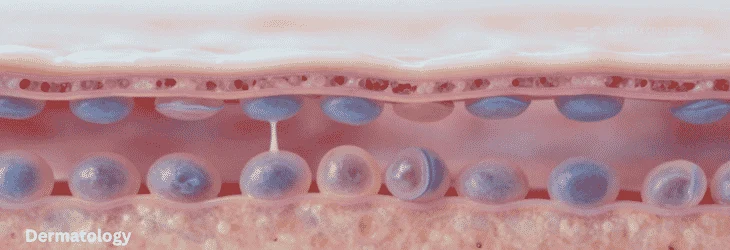
Medical Dermatology and Skin Disorders – The diagnosis and management of skin diseases remain fundamental to clinical dermatology, encompassing a wide range of acute, chronic, and complex dermatologic conditions. Focus areas include evidence-based treatment strategies, patient-centered care, disease burden assessment, and multidisciplinary approaches that improve clinical outcomes and quality of life.
Inflammatory and Autoimmune Skin Diseases – Inflammatory and immune-mediated disorders such as psoriasis, atopic dermatitis, vitiligo, lupus erythematosus, and autoimmune blistering diseases continue to present significant clinical challenges. Advances in disease pathogenesis, biologic therapies, immunomodulatory treatments, and long-term disease management are transforming patient care and therapeutic outcomes.
Acne, Rosacea, and Pigmentary Conditions – Effective management of acne vulgaris, rosacea, melasma, post-inflammatory hyperpigmentation, and other pigmentary disorders requires individualized treatment strategies and a comprehensive understanding of disease mechanisms. Emerging therapies and novel treatment approaches are expanding options for patients across diverse skin types.
Dermatologic Infections and Skin Health – Bacterial, viral, fungal, and parasitic skin infections remain important contributors to dermatologic morbidity worldwide. Current developments focus on accurate diagnosis, antimicrobial stewardship, resistance management, preventive care, and strategies that support long-term skin health and disease prevention.
Hair, Nail, and Scalp Disorders – Disorders affecting the hair, scalp, and nails can significantly impact patient well-being and quality of life. Advances in diagnostic technologies, trichoscopic evaluation, medical therapies, and targeted treatment approaches are improving the management of alopecia, scalp diseases, and nail abnormalities.
Pediatric and Geriatric Dermatology – Dermatologic conditions often present unique challenges at different stages of life, requiring age-specific diagnostic and therapeutic considerations. Clinical management focuses on common and complex skin disorders affecting infants, children, and older adults while addressing physiological differences, treatment safety, and long-term care needs.
Dermatopathology and Diagnostic Advances – Accurate diagnosis remains central to effective dermatologic care, supported by advances in dermatopathology, molecular testing, dermoscopy, imaging modalities, and digital diagnostic tools. Emerging technologies are enhancing diagnostic precision, early disease detection, and personalized treatment planning.
Emerging Therapies in Clinical Dermatology – Rapid developments in dermatologic research are driving the introduction of targeted biologics, small-molecule therapies, regenerative approaches, and precision medicine strategies. These innovations are reshaping treatment paradigms and creating new opportunities for managing complex dermatologic diseases.
Scientific Highlights
- Plastic Surgery
- Dermatology
- Skin Rejuvenation, Regeneration and Cosmetic Dermatology
- Cosmetic & Skin Science
- Anti Aging and Longevity Medicine
- Body Contouring and Craniofacial Reconstruction
- Rhinoplasty & Otoplasty
- Oral & Maxillofacial Surgery
- Reconstructive and Aesthetic Surgery
- Cosmetic Dentistry
- Aesthetic Medicine and Regenerative Medicine
- Injectables, Fillers and Facial Rejuvenation
- Skin Microbiome and Cosmetic Research
- Trichology and Hair Transplant
- Cosmetic Medicine
- Nutrition and Diet for Healthy Skin
- Case Reports, Complications & Risk Factors in Cosmetology
- Pediatric Dermatology

Organization Location
1309 Coffeen Avenue, STE 1200, Sheridan, Wyoming 82801, USA
Mail us at
Program Enquiry - Christina Diaz
cosmetology@scientexconferences.com
General Enquiry
contact@scientexconferences.com
Registration Enquiry
finance@scientexconferences.com
cosmeticsurgery@scientexevents.org
Our Social Presence
Call us at
USA : (+1) 217 583 7058