
Track: Reconstructive and Aesthetic Surgery
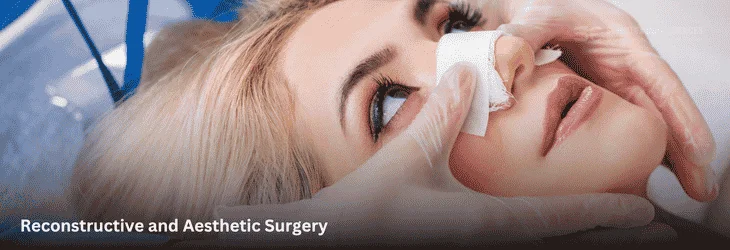
Soft Tissue Reconstruction and Restoration – Experts will examine contemporary methods for repairing and restoring soft tissue defects resulting from trauma, burns, oncologic resection, congenital abnormalities, and chronic wounds. Discussions will focus on tissue preservation, functional recovery, aesthetic restoration, and long-term reconstructive success.
Breast Reconstruction and Cosmetic Surgery – This segment reviews modern approaches to breast surgery, including implant-based reconstruction, autologous tissue transfer, augmentation, reduction, and revision procedures. Presentations will highlight individualized treatment planning, surgical innovations, patient satisfaction, and outcome assessment.
Post-Traumatic Defect Repair Strategies – Faculty will discuss advanced reconstructive solutions for complex defects caused by traumatic injuries and tissue loss. Topics include wound reconstruction, structural support, multidisciplinary management, and techniques aimed at restoring both function and appearance.
Body Contouring and Surgical Refinement – Experts will explore contemporary body contouring procedures such as abdominoplasty, liposuction, post-weight loss reconstruction, and body sculpting techniques. Discussions will focus on patient selection, surgical safety, contour optimization, and strategies for achieving natural and durable results.
Scar Management and Revision Techniques – This session addresses the prevention, evaluation, and treatment of scars and contractures through surgical and regenerative approaches. Faculty will review scar revision procedures, tissue remodeling strategies, laser-assisted treatments, and emerging innovations that improve cosmetic and functional outcomes.
Microsurgical Reconstruction and Tissue Transfer – Presentations will examine advances in microsurgery, free flap reconstruction, perforator flap techniques, and vascularized tissue transfer. Experts will discuss surgical planning, flap monitoring, technological innovations, and solutions for managing complex reconstructive challenges.
Patient Safety, Outcome Optimization, and Emerging Technologies – The session concludes with a focus on perioperative care, complication prevention, quality improvement, and patient-reported outcome measures. Faculty will evaluate the impact of three-dimensional surgical planning, regenerative medicine, biomaterials, and other emerging technologies that are advancing the future of reconstructive and aesthetic surgical practice.
Scientific Highlights
- Plastic Surgery
- Dermatology
- Skin Rejuvenation, Regeneration and Cosmetic Dermatology
- Cosmetic & Skin Science
- Anti Aging and Longevity Medicine
- Body Contouring and Craniofacial Reconstruction
- Rhinoplasty & Otoplasty
- Oral & Maxillofacial Surgery
- Reconstructive and Aesthetic Surgery
- Cosmetic Dentistry
- Aesthetic Medicine and Regenerative Medicine
- Injectables, Fillers and Facial Rejuvenation
- Skin Microbiome and Cosmetic Research
- Trichology and Hair Transplant
- Cosmetic Medicine
- Nutrition and Diet for Healthy Skin
- Case Reports, Complications & Risk Factors in Cosmetology
- Pediatric Dermatology

Organization Location
1309 Coffeen Avenue, STE 1200, Sheridan, Wyoming 82801, USA
Mail us at
General Enquiry
contact@scientexconferences.com
Call us at
USA : (+1) 217 583 7058