
Track: Body Contouring and Craniofacial Reconstruction
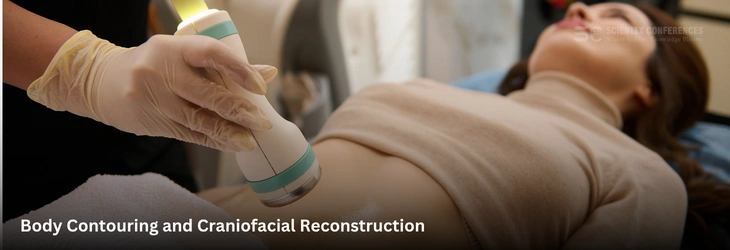
Post-Weight Loss Body Contouring Procedures – Significant weight loss often results in excess skin, soft tissue laxity, and contour irregularities that may affect both function and appearance. Contemporary body contouring procedures focus on restoring body proportions, improving tissue support, enhancing patient comfort, and achieving durable aesthetic outcomes through individualized surgical planning.
Liposuction and Body Reshaping Techniques – Advances in liposuction and body sculpting technologies have expanded the possibilities for contour refinement and body reshaping. Current approaches incorporate energy-assisted techniques, precision fat removal, and combination procedures designed to improve contour definition, surgical efficiency, and patient satisfaction.
Craniofacial Trauma and Reconstruction Surgery – Management of craniofacial trauma requires comprehensive strategies that address skeletal injuries, soft tissue defects, and functional impairment. Modern reconstructive approaches emphasize early intervention, anatomical restoration, facial symmetry, and multidisciplinary care to optimize both functional recovery and aesthetic rehabilitation.
Congenital Craniofacial Anomaly Management – Congenital craniofacial conditions such as cleft lip and palate, craniosynostosis, and facial asymmetry present complex reconstructive challenges. Treatment approaches focus on surgical correction, growth and developmental considerations, functional improvement, and long-term multidisciplinary management.
Facial Bone Reconstruction and Advanced Reconstructive Techniques – Reconstruction of craniofacial skeletal defects relies on advances in bone grafting, tissue engineering, and flap-based reconstruction. Ongoing innovations are improving structural stability, tissue integration, reconstructive precision, and long-term functional and aesthetic outcomes.
Three-Dimensional Surgical Planning Applications – Three-dimensional imaging, virtual surgical planning, computer-assisted design, and patient-specific surgical guides are transforming reconstructive surgery. These technologies enhance preoperative assessment, improve surgical accuracy, facilitate treatment planning, and support more predictable clinical outcomes.
Functional and Aesthetic Outcome Optimization – Achieving a balance between functional restoration and aesthetic enhancement remains a central objective in body contouring and craniofacial reconstruction. Key considerations include outcome assessment, patient-reported satisfaction, postoperative rehabilitation, quality-of-life improvements, and emerging innovations that continue to advance reconstructive surgical practice.
Scientific Highlights
- Plastic Surgery
- Dermatology
- Skin Rejuvenation, Regeneration and Cosmetic Dermatology
- Cosmetic & Skin Science
- Anti Aging and Longevity Medicine
- Body Contouring and Craniofacial Reconstruction
- Rhinoplasty & Otoplasty
- Oral & Maxillofacial Surgery
- Reconstructive and Aesthetic Surgery
- Cosmetic Dentistry
- Aesthetic Medicine and Regenerative Medicine
- Injectables, Fillers and Facial Rejuvenation
- Skin Microbiome and Cosmetic Research
- Trichology and Hair Transplant
- Cosmetic Medicine
- Nutrition and Diet for Healthy Skin
- Case Reports, Complications & Risk Factors in Cosmetology
- Pediatric Dermatology

Organization Location
1309 Coffeen Avenue, STE 1200, Sheridan, Wyoming 82801, USA
Mail us at
General Enquiry
contact@scientexconferences.com
Call us at
USA : (+1) 217 583 7058