
Track: Rhinoplasty & Otoplasty
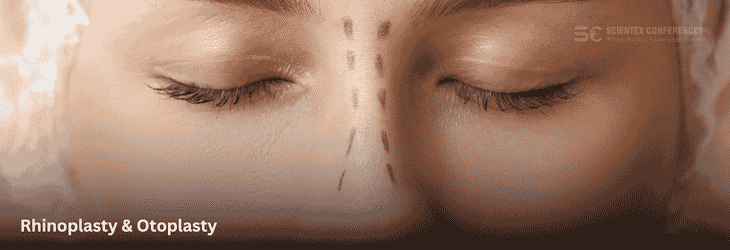
Functional and Aesthetic Rhinoplasty Techniques – Modern rhinoplasty integrates both cosmetic enhancement and functional improvement to achieve balanced and harmonious outcomes. Contemporary techniques focus on nasal reshaping, tip refinement, dorsal modification, structural preservation, and individualized treatment approaches that maintain or improve nasal function while enhancing facial aesthetics.
Revision Rhinoplasty and Complex Cases – Secondary and complex rhinoplasty procedures present unique surgical challenges related to previous interventions, scar tissue formation, structural deficiencies, and anatomical variations. Advanced reconstructive strategies aim to restore nasal support, improve function, and achieve predictable aesthetic outcomes in challenging cases.
Nasal Airway Reconstruction Procedures – Restoration of nasal airflow and breathing function remains a fundamental aspect of functional rhinoplasty. Key areas include septal reconstruction, nasal valve repair, turbinate management, and correction of traumatic or congenital deformities that contribute to airway obstruction and impaired nasal function.
Cartilage Grafting and Structural Support – Cartilage grafting plays a critical role in maintaining nasal structure, stability, and long-term surgical outcomes. Applications include septal, auricular, and costal cartilage grafts for structural reinforcement, contour refinement, functional support, and complex nasal reconstruction.
Cosmetic and Reconstructive Otoplasty Approaches – Contemporary otoplasty techniques address both aesthetic concerns and reconstructive needs through ear reshaping, cartilage modification, symmetry correction, and structural restoration. Advances in surgical planning and operative techniques continue to improve cosmetic outcomes and patient satisfaction.
Congenital Ear Deformity Correction and Facial Harmony – Management of congenital ear anomalies such as microtia, prominent ears, and developmental deformities requires careful consideration of facial proportions and overall aesthetic balance. Treatment approaches emphasize anatomical reconstruction, symmetry enhancement, and long-term functional and cosmetic outcomes.
Advances in Postoperative Care and Outcomes – Improvements in postoperative management are contributing to enhanced recovery, reduced complication rates, and greater patient satisfaction following rhinoplasty and otoplasty procedures. Current developments include evidence-based care protocols, outcome assessment tools, recovery optimization strategies, and emerging technologies that support long-term surgical success.
Scientific Highlights
- Plastic Surgery
- Dermatology
- Skin Rejuvenation, Regeneration and Cosmetic Dermatology
- Cosmetic & Skin Science
- Anti Aging and Longevity Medicine
- Body Contouring and Craniofacial Reconstruction
- Rhinoplasty & Otoplasty
- Oral & Maxillofacial Surgery
- Reconstructive and Aesthetic Surgery
- Cosmetic Dentistry
- Aesthetic Medicine and Regenerative Medicine
- Injectables, Fillers and Facial Rejuvenation
- Skin Microbiome and Cosmetic Research
- Trichology and Hair Transplant
- Cosmetic Medicine
- Nutrition and Diet for Healthy Skin
- Case Reports, Complications & Risk Factors in Cosmetology
- Pediatric Dermatology

Organization Location
1309 Coffeen Avenue, STE 1200, Sheridan, Wyoming 82801, USA
Mail us at
General Enquiry
contact@scientexconferences.com
Call us at
USA : (+1) 217 583 7058