

Track: Oral & Maxillofacial Surgery
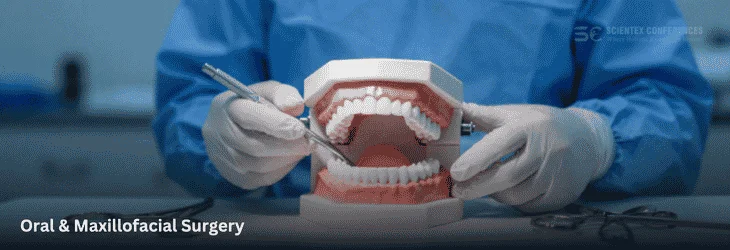
Maxillofacial Trauma and Fracture Management – The management of facial trauma requires precise diagnosis and timely intervention to restore function, appearance, and structural integrity. Contemporary approaches focus on mandibular, midfacial, orbital, and cranial fractures, emphasizing surgical stabilization, anatomical reconstruction, complication prevention, and optimal functional and aesthetic recovery.
Orthognathic and Corrective Jaw Surgery – Orthognathic surgery plays a vital role in correcting skeletal discrepancies and dentofacial deformities that affect function and facial balance. Advances in surgical planning, occlusal rehabilitation, and corrective jaw procedures continue to improve masticatory function, facial aesthetics, and long-term treatment outcomes.
Oral Pathology and Surgical Treatment – Accurate diagnosis and management of oral lesions, cysts, tumors, and other pathological conditions remain essential components of oral and maxillofacial surgery. Current developments include improved diagnostic techniques, histopathological assessment, risk stratification, and evidence-based surgical interventions.
Dental Implantology and Bone Reconstruction – Innovations in dental implantology and regenerative surgery are enhancing the restoration of oral function and aesthetics. Key areas include implant placement, alveolar ridge preservation, bone grafting, sinus augmentation, and tissue regeneration techniques that support long-term implant success and patient satisfaction.
Temporomandibular Joint Disorder Management – Temporomandibular joint disorders encompass a range of functional, structural, and pain-related conditions that can significantly impact quality of life. Contemporary management strategies integrate conservative therapies, minimally invasive procedures, and surgical interventions aimed at restoring joint function and reducing symptoms.
Cleft Lip and Palate Reconstruction and Head & Neck Surgery – Reconstruction of cleft lip and palate deformities, along with complex head and neck defects, requires multidisciplinary planning and specialized surgical expertise. Focus areas include functional rehabilitation, speech and swallowing outcomes, facial growth considerations, and advanced reconstructive techniques for restoring anatomy and quality of life.
Digital Planning and Surgical Innovations – Emerging digital technologies are transforming oral and maxillofacial surgery through three-dimensional imaging, virtual surgical planning, computer-guided procedures, patient-specific implants, and integrated digital workflows. These innovations are improving surgical precision, treatment predictability, operative efficiency, and overall clinical outcomes.
Scientific Highlights
- Plastic Surgery
- Dermatology
- Skin Rejuvenation, Regeneration and Cosmetic Dermatology
- Cosmetic & Skin Science
- Anti Aging and Longevity Medicine
- Body Contouring and Craniofacial Reconstruction
- Rhinoplasty & Otoplasty
- Oral & Maxillofacial Surgery
- Reconstructive and Aesthetic Surgery
- Cosmetic Dentistry
- Aesthetic Medicine and Regenerative Medicine
- Injectables, Fillers and Facial Rejuvenation
- Skin Microbiome and Cosmetic Research
- Trichology and Hair Transplant
- Cosmetic Medicine
- Nutrition and Diet for Healthy Skin
- Case Reports, Complications & Risk Factors in Cosmetology
- Pediatric Dermatology

Organization Location
1309 Coffeen Avenue, STE 1200, Sheridan, Wyoming 82801, USA
Mail us at
General Enquiry
contact@scientexconferences.com
Call us at
USA : (+1) 217 583 7058